The Bike and the Backstory
The greatest gift my father ever gave me wasn’t freedom; it was discipline.
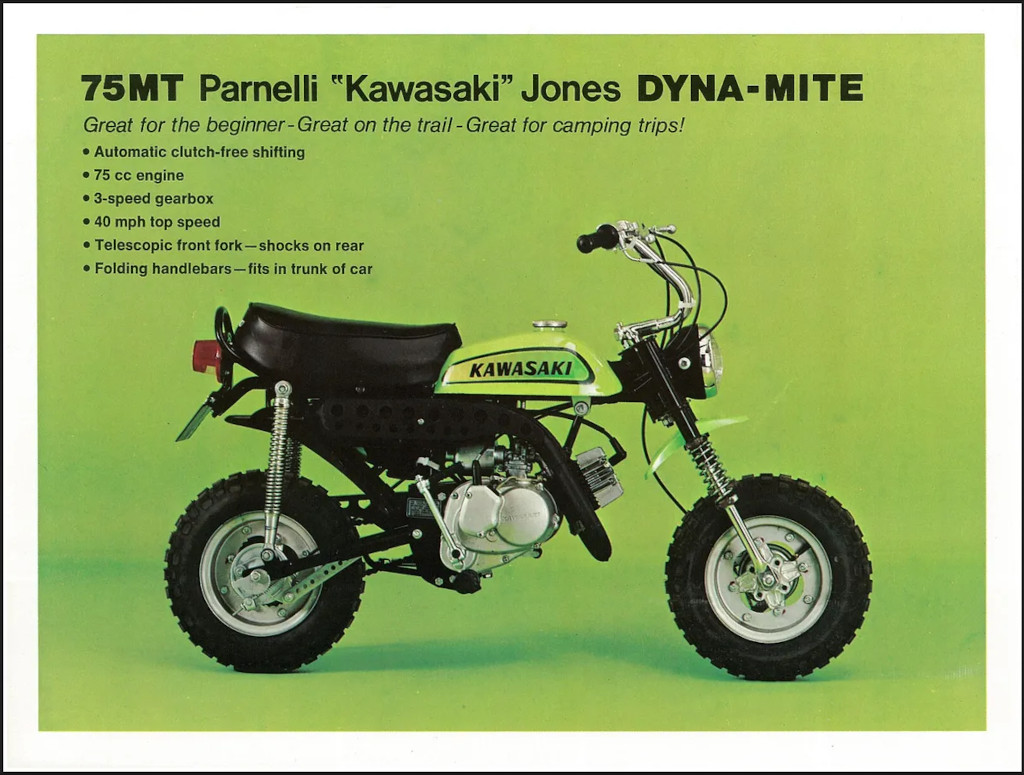
I was 13 years old, and the year was 1970. Like any kid, I was desperate for anything with an engine. I thought the moment Dad rolled a bike into the garage, that I’d be tearing up the fields and tasting speed. My first machine was a rough & ready Kawasaki 75MT. The excitement was immense, but short-lived. My father looked at the sputtering two-stroke for about a week before deciding, with a sigh, that if we were going to learn, we needed something that operated more like a “real motorbike.”
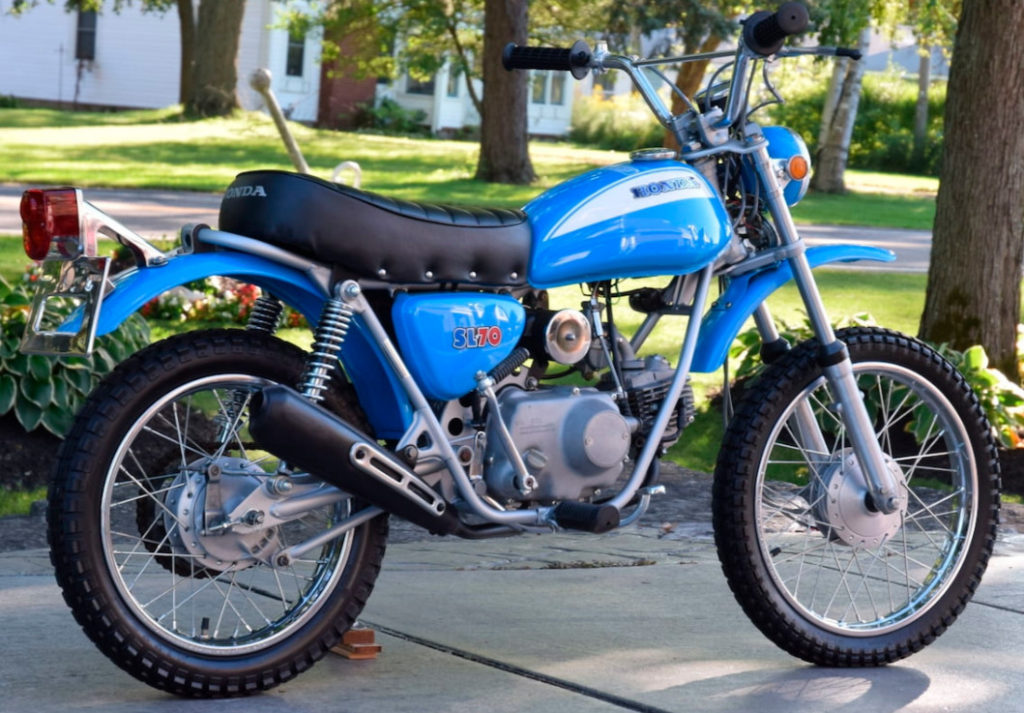
So, we returned to the local Honda dealer, and he purchased a brand new Honda SL70. That shiny, pristine little four-stroke was, technically, my first motorcycle. But for the next three years—a full 36 months before I could even legally get a street license—the SL70’s primary purpose was not to be ridden, but to be maintained.
This was my father’s ultimate rule: The privilege of riding is earned by the discipline of maintenance. The key was not the speed you could reach, but the care you gave to the machine that carried you. My apprenticeship began right there in the garage, tools in hand, before the engine had even seen a full tank of gas.
The First Lesson: Schedule and Ownership
My father’s philosophy was simple: If you don’t know how to keep it running, you don’t deserve to ride it. He treated the SL70 like a rolling textbook, and the first chapter was about routine over reaction.
Routine over Reaction
Most new riders learn maintenance the hard way: when the bike breaks down. My father ensured I learned it proactively. He helped me create a strict schedule, based on hours of use rather than miles, since I was riding strictly in the fields.
I learned that an oil change wasn’t a repair; it was an appointment. Checking valve clearances wasn’t a fix; it was a scheduled inspection. This habit of checking and caring for the machine when it’s running perfectly is the greatest secret to longevity in motorcycling. It contrasts sharply with the reactive, last-minute panic that sidelines many riders today.
My father’s strict adherence to this schedule and his demand for methodical work wasn’t just about mechanics; it was a deeply ingrained life philosophy forged by hardship. He grew up poor during the Great Depression and learned early that anything you owned had immense, irreplaceable value. To him, owning a motorcycle was a privilege, not a right, and neglecting it was an offense against the hard work it took to acquire it. He had a firm, unwavering rule: “Do It Correctly, Or Do It Over.” There were no shortcuts, no “good enoughs,” because when you couldn’t afford a replacement, meticulous care was the only insurance you had. That bike represented capital, freedom, and his trust in me. By forcing me to honor its condition, he wasn’t just teaching me about oil; he was teaching me the respect and responsibility necessary to steward anything of value.
The 3 Ps of Possession
My father boiled his ownership philosophy down to three principles that have stayed with me my entire life:
- Prepare it: Make sure all fluids and checks are done before the ride.
- Perform Maintenance: Stick to the service schedule, no exceptions.
- Preserve it: Clean it, cover it, and store it correctly, guaranteeing the machine will last.
Hands-On Detail: The First Oil Change
I distinctly remember the very first task: the oil change. My father didn’t just tell me to drain the oil; he had me carefully inspect the drain plug and the screen for metal shavings. We weren’t just replacing dirty oil; we were performing a health check on the engine. I learned about proper torque, the value of a clean oil catch, and the absolute mess a quart of oil can make if you don’t plan ahead. It was here, wrench in hand, that I learned the simple principle that underpins all long-term ownership: caring for your possessions makes them last and keeps them in good working order.
The Mechanical Fundamentals
The SL70 was a simple machine, but in my father’s hands, it was a rigorous training platform. We rarely dealt with big, complicated repairs; instead, we focused on the dozens of small, easily neglected tasks that ensure a bike runs reliably for decades.
TLC for the moving parts…
I must have lubricated the pivot points on the bike a hundred times. It seemed tedious, but my father used this simple job to teach me about friction, preventative measures, and the subtle art of adjustment.
- Preventative Measures: He showed me how a drop of grease on the pivot point of the clutch & brake control prevented the levers from binding and not moving freely — a lesson in fixing a problem before it even starts.
- The Right Feel: We would adjust the free play until it was just perfect, teaching me to look for the precise “feel” of a mechanism working correctly. To this day, the slightest change in the resistance of a lever or pedal sends up a flag for me.
The Power of the Simple Fix
Like any machine given to a 13-year-old, the SL70 would occasionally refuse to start. These were not opportunities for a tow truck; they were opportunities for a lesson in systematic troubleshooting.
My father insisted on a simple, logical procedure:
- Check the Fuel: Is there gas? Is the petcock on? Is the line clogged?
- Check the Spark: Is the plug wet (too much fuel) or dry (not enough)? Is the spark strong?
- Check the Air: Is the filter dirty? Is the choke working correctly?
More often than not, the problem was as simple as a flooded cylinder or a fouled spark plug. This systematic approach taught me to diagnose before dismantling—to use logic to isolate the root cause before grabbing the biggest wrench. This fundamental skill has saved me countless hours and prevented expensive mistakes on every motorcycle I’ve owned since.
The Value of Clean Tools
“A craftsman is only as good as his tools, son, and you can’t take care of a machine if you don’t take care of the instruments that touch it.”
This was another mantra in our garage. We weren’t allowed to put a wrench away covered in grease. I learned the importance of using the right sized wrench to avoid rounding off a bolt head—a frustration I still despise decades later. Taking care of my small, inherited toolkit was presented as an extension of my responsibility to the motorcycle itself.
The Connection to Street Safety (The Bridge)
It wasn’t until I was 16 and had my first real street bike that I realized the true value of those garage lessons. They didn’t just teach me how to fix bikes; they taught me how to trust them.
Pre-Ride Check Evolution
My current, highly disciplined Pre-Ride Check—the one I advocate for in my safety posts—is simply a professional evolution of the daily checklist my father made me perform on the SL70. T-CLOCS is great, but my personal check is rooted in: Are the controls tight? Are the fluids clean? Is anything leaking? Because I learned those simple checks at a young age, they are now second nature.
Trust in the Machine
The rider who is constantly worried about their bike breaking down is a rider who is distracted and lacks a Margin of Error. Because I learned every bolt and cable of that little Honda, I developed a deep, almost subconscious confidence in the mechanical integrity of my subsequent bikes. That trust allows me to focus 100% on the road and the threats around me, not the engine beneath me. Knowing your machine is reliable is a safety feature in itself.
Conclusion: The Lifelong Lesson
The Honda SL70 was eventually replaced by bigger bikes that offered more speed, more complexity, and more freedom on the open road. But if you were to look back and ask me to distill the most valuable thing I ever gained from my first motorcycle, it wouldn’t be a memory of speed or a specific road trip.
It would be the discipline taught in that garage by my father.
The true value of that little SL70 was that it taught me the language of longevity. It established the principle that maintenance isn’t a cost or a chore; it’s a conversation you have with your motorcycle. It is the respect you show the machine that carries you, and that respect is repaid in reliability and, ultimately, in safety.
Whether you ride a classic carburetor bike or a modern, computer-controlled machine, the fundamentals remain. The rider who knows their machine inside and out—who knows the torque of the drain plug, the tension of the chain, and the feel of a freshly lubricated cable—is a safer, more confident, and ultimately happier rider.
The greatest safety feature any bike can have isn’t ABS or traction control; it’s a rider who understands the value of preventative care.
Ride safe, and never stop wrenching.