
🏍️ Third Time’s A Charm: Tuning the CB550 for the Open Road
June 2017 marked a huge milestone for the old CB550: we’d put nearly 2,000 miles on the odometer since the initial revival. That kind of mileage confirms that our methodical approach in Phase 1 paid off; the bike was mechanically sound and reliable. The focus now shifted from simply running to optimization—refining the bike’s behavior for better comfort, efficiency, and preparedness for a planned long-distance trip to the twisty roads of Southeastern Ohio.
The process involved targeted, practical changes designed to enhance the overall riding experience.
⚙️ Performance Tuning: Correcting the Gearing
One of the first issues that became apparent during sustained highway travel was the bike’s high cruising RPM. Years back, I had set the gearing up for a specific purpose: drag racing. This meant a significantly smaller front sprocket had been installed to provide rapid acceleration at the cost of highway manners. It was still set like this because when last ridden by my wife, she was just learning and it made standing starts easier.
- The Problem: The engine was buzzing at uncomfortable RPMs when holding a steady 65 mph, leading to excessive vibration, poorer fuel economy, and unnecessary mechanical wear.
- The Fix: The first order of business was changing the front sprocket back to the stock 17-tooth configuration. This required careful removal of the countershaft sprocket cover and retaining clip.
- The Impact: The change was transformative. The bike immediately felt more relaxed at cruising speed. Dropping the engine speed delivered smoother power and significantly reduced rider fatigue—an essential modification for the upcoming road trip. This simple return to stock gearing proved that sometimes, less “race,” and more “tour” is exactly what a classic bike needs.
🔧 Suspension Refinement & The Troublesome Seal
With the mechanical reliability proven, the focus shifted to refining ride quality and handling. While the front end felt serviceable, a leak soon developed, leading to the “Third Time’s A Charm” moniker.
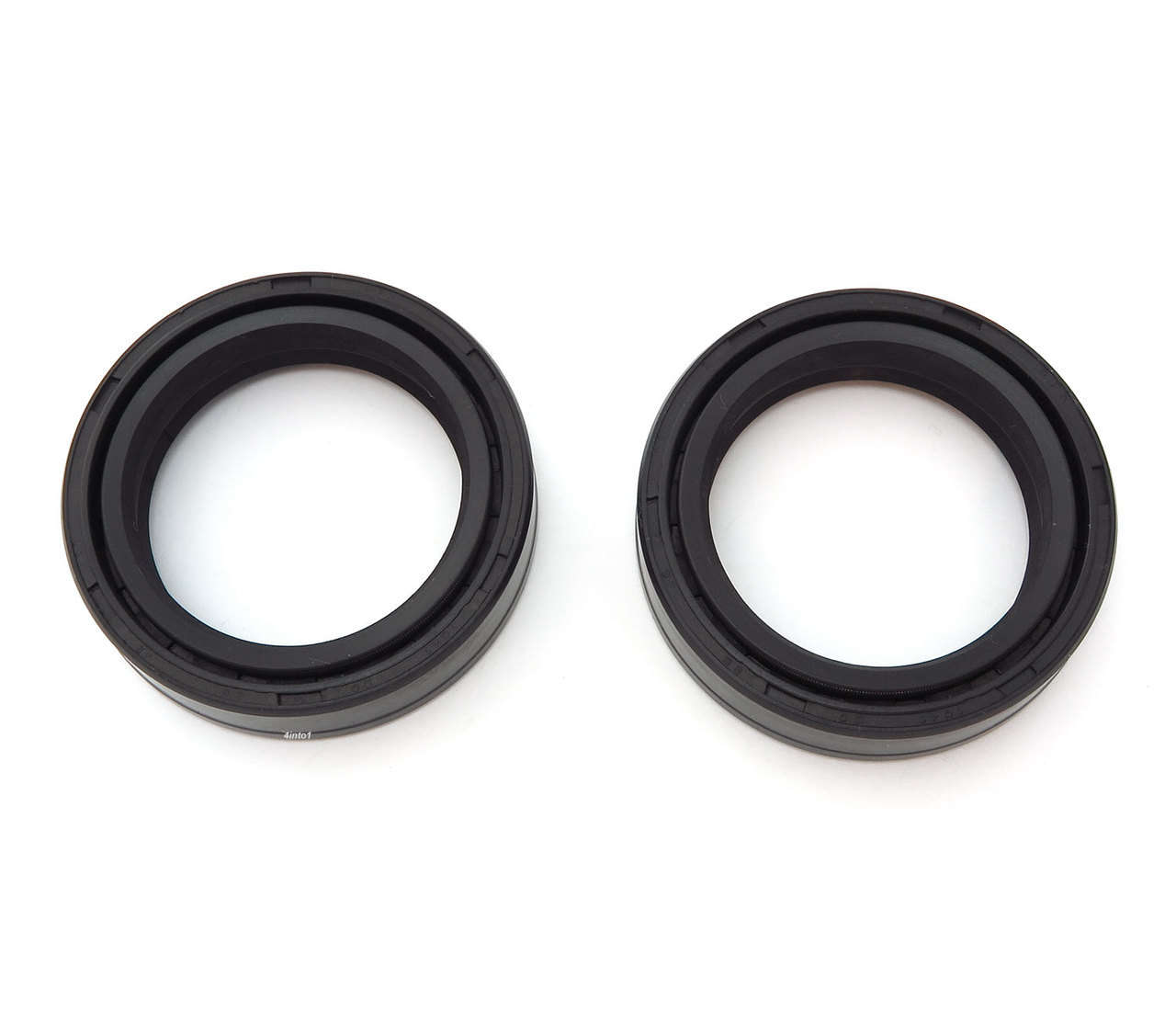
The reality of dealing with a 40-year-old chassis meant the fork seals were a ticking clock. On these telescopic forks, the old seals had hardened, and after a few hundred miles of operation, the inevitable leak began, primarily on the right fork.
- The Challenge: Getting the right fork seal to hold was a multi-attempt process. The first replacement helped but didn’t entirely cure the persistent seepage. This led to a full inspection of the inner workings.
- The Troubleshooting: The likely cause of the stubborn leak was either minute scoring on the chrome fork tube itself, damaging the new seal during installation, or residual crud remaining in the seal grooves inside the fork slider.
- The Fix: It wasn’t until the third attempt that I meticulously polished the stanchion, used a quality seal driver (rather than makeshift tools), and ensured the seal seats were perfectly clean before installation.
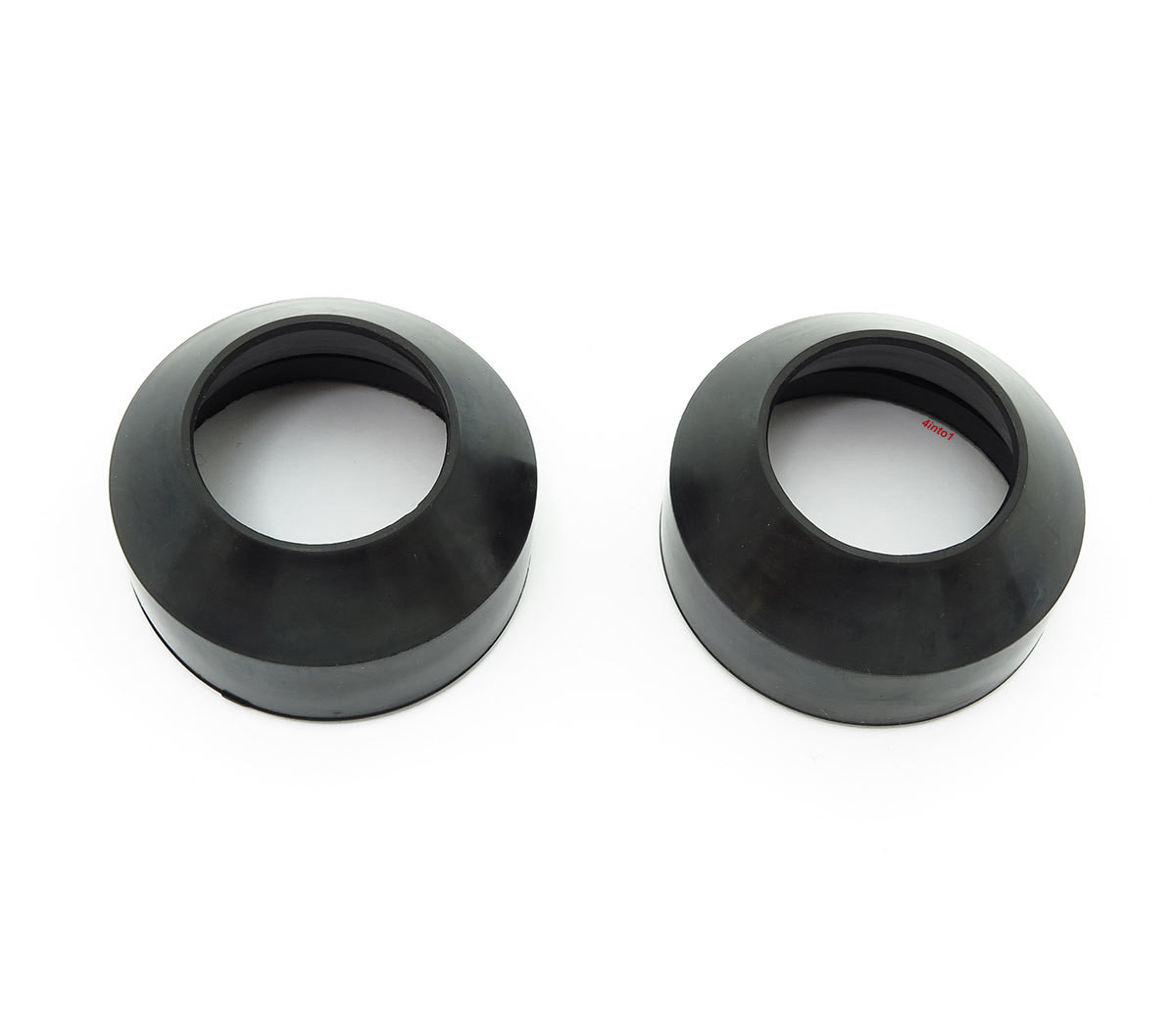
- New Protection: After the successful third seal replacement, I took the opportunity to replace the old, fork gaiters with more robust, modern looking fork boots. The boots offer excellent protection, completely shielding the new seals from grit, road debris, and bug splatter, thereby prolonging their life — a preventative measure against having to repeat the whole process.
🔊 Exhaust & Civility: Putting the Cap Back On
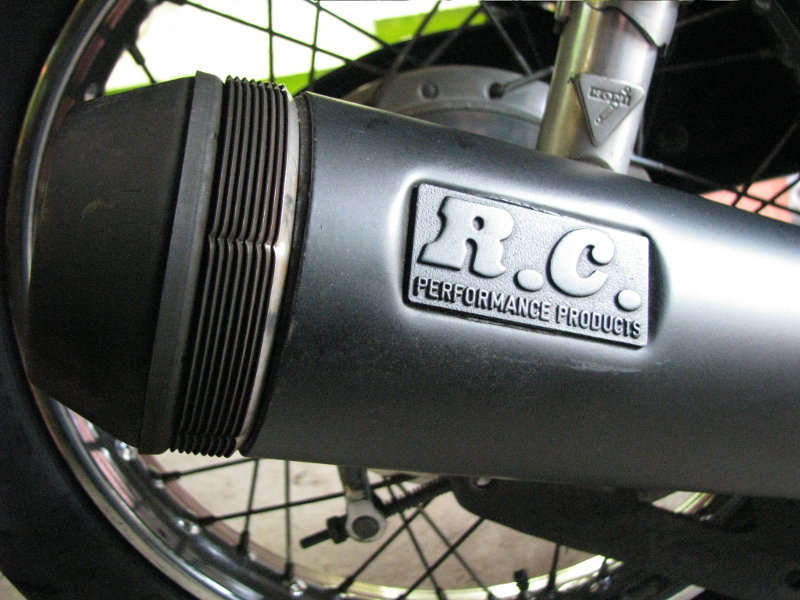
When we made the decision to race the bike, I installed an RC Engineering header. The header certainly gave the CB550 an aggressive bark. While the sound was exhilarating on short blasts, the continuous loud exhaust note was antithetical to enjoyable long-distance travel, making it impossible to enjoy the ride.
- The Problem: The open header was simply too loud for sustained highway speeds. Loud exhausts contribute significantly to rider fatigue and can attract unwanted attention.
- The Fix: I reinstalled the silencer end (baffle) back into the RC header system.
- The Impact: Reinstalling the baffle achieved a near-perfect balance. The bike retained the distinctive, throaty rumble of the four-cylinder SOHC engine under acceleration, but the volume dropped dramatically at cruising speed. This single change instantly made the bike far more comfortable for both the rider and anyone sharing the road, transforming a potentially abrasive ride into a much more relaxed and tolerable touring platform.
💨 Rider Comfort: The Small Screen, Big Difference
Long-distance highway travel, even on a naked bike, demands a minimal level of wind protection to fight rider fatigue. Fighting a constant 65 mph wind blast for hours on end quickly exhausts the neck and shoulders.
- The Challenge: Find a balance between wind protection and maintaining the classic aesthetic of the CB550.
- The Fix: I installed a small “Fly Screen” from National Cycle. This is a minimalist screen designed to deflect the primary blast of air away from the rider’s chest and shoulders, pushing the flow up toward the helmet.
- The Impact: The effect of the small screen was surprisingly significant. It dramatically reduced the chest pressure at highway speeds, allowing me to focus less on hanging onto the handlebars and more on the road ahead. This small aerodynamic change lowered the physical workload required to pilot the bike, guaranteeing a less fatigued arrival in Southeastern Ohio.
🗺️ Conclusion: Ready for Adventure
The 2,000 miles logged confirmed the mechanical soundness of the initial revival. The work done in June 2017 shifted the focus from reliability to refinement.
By methodically addressing the bike’s touring weaknesses—correcting the high-revving drag gearing, taming the loud exhaust, stabilizing the front end after the persistent fork leak, and mitigating wind fatigue with the fly screen—the CB550 has been fundamentally transformed. The “Third Time’s A Charm” fork seal fix provides the peace of mind needed when leaning into corners, and the relaxed gearing makes the miles to the Ohio foothills an enjoyable journey rather than a chore.
The bike is running great, and it’s now optimized for the intended challenge. The goal of that trip to Southeastern Ohio isn’t just about reaching a destination; it’s the ultimate shakedown for a classic machine that’s finally fulfilling its destiny on the open road.