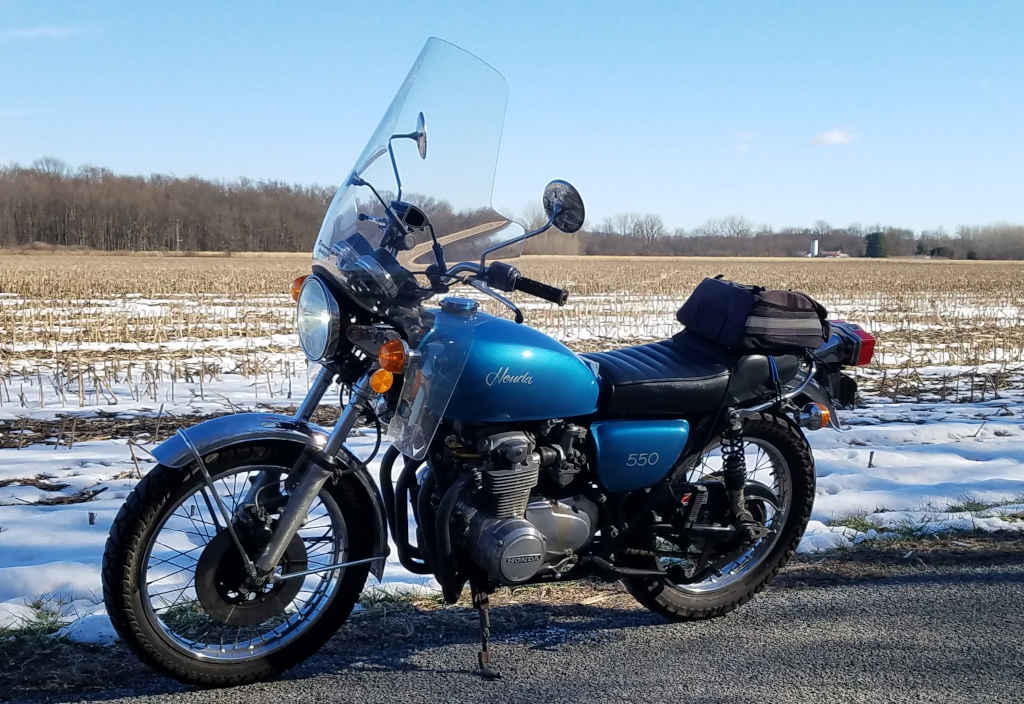
Ohio’s seasonal changes offer some of the best riding weather in the country, but once the crisp autumn air gives way to true winter, the challenges for motorcyclists multiply. While many riders opt to “winterize” their bikes and wait for spring, I choose to keep riding. Navigating Ohio’s winter roads requires significant preparation, the right gear, and a heightened sense of caution.
The Core Challenges of Winter Riding
Riding a motorbike in Ohio during the winter is a fundamentally different experience than riding in warmer months. The principal obstacles are related to cold, moisture, and road conditions.
Extreme Cold and Wind Chill
Ohio’s temperatures often dip below freezing, and when combined with the velocity of riding, the wind chill can be brutally punishing. I don’t own any heated gear, but on sunny days, I’m able to ride comfortably with temperatures in the low 40’s.
Now keep in mind that I’m riding backroads and twisty state routes. I doubt that I would be as comfortable on an extended ride at highway speeds.
- Hypothermia and Fatigue: Prolonged exposure to the cold quickly drains the body’s energy. Symptoms like shivering, stiffness in the hands and legs, and decreased mental clarity (often called “zoning out”) are early signs of hypothermia, which dramatically impairs reaction time and decision-making—a critical safety issue on a bike.
- Reduced Dexterity: Cold hands and feet are the first areas to suffer, as the body conserves heat for the core. Numb fingers make precise control of the throttle, clutch, and brakes extremely difficult.
Treacherous Road Hazards
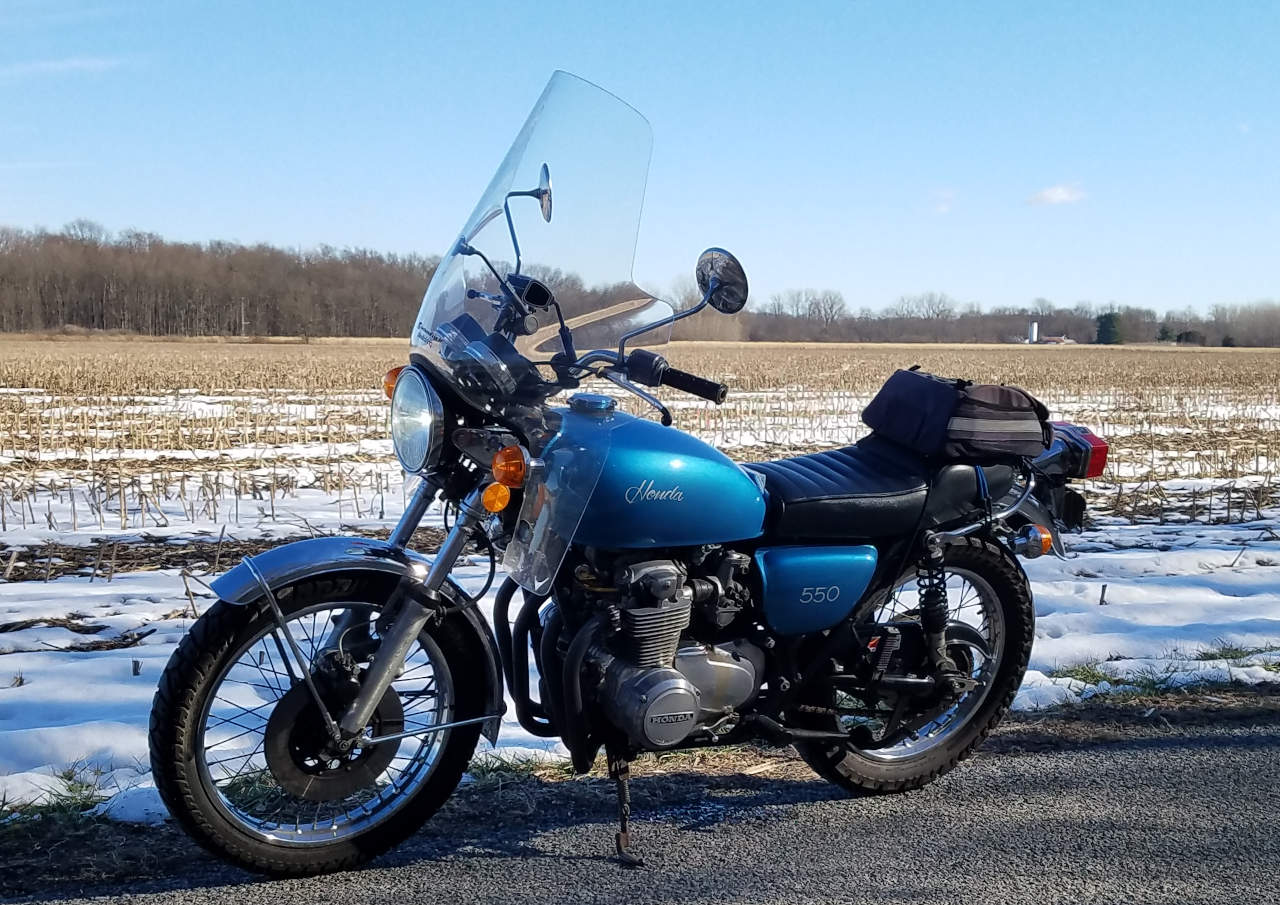
While the state doesn’t use sand like it once did, the road surface can become a primary danger in Ohio winters. I leave the bikes in the garage when there is a chance of ice or snow on the roads.
- Ice and Black Ice: The most feared hazard. Black ice is nearly invisible and often forms on bridges, overpasses, and in shaded areas well before the rest of the road freezes. Hitting a sheet of ice significantly reduces traction, often leading to a sudden loss of control.
- Road Salt and Cinders: Ohio Department of Transportation (ODOT) uses salt and cinders to treat roads. While helpful for cars, road salt is corrosive to your bike’s metal components, and both salt and cinders act like loose gravel, severely reducing tire traction and increasing the risk of skidding. Many riders stop once the roads have been salted, waiting for several good rains to wash the residue away, often until mid-March or April.
- Cold Tires: Cold temperatures stiffen the rubber on your tires, greatly reducing their ability to grip the road surface. Unlike cars, a motorcycle relies entirely on two small contact patches for traction.
Reduced Visibility
Shorter daylight hours, fog, and precipitation (snow or freezing rain) drastically reduce visibility for both the rider and other drivers. Your reflective gear is more crucial than ever, as you’re already less visible than a car. Also, drivers are not used to seeing bikes out during the winter months.
Essential Gear…
Conquering the Ohio winter requires that you are properly dressed. You won’t go far before you know if you have dressed properly or not. I have a RevIt! all season jacket & pants combo, and a Klim Marrakesh jacket that with proper under-layers works very well in all weather conditions. I purchased the Klim jacket after watching the video below on YouTube.
Personal Gear: Layering Smarter, Not Thicker
The key to staying warm is a layered system that manages moisture and blocks wind:
- Base Layer: Wicks sweat away from the skin (preventing rapid cooling). Moisture-wicking material (Merino wool or polyester).
- Insulating Layer(s):Traps body heat. Fleece, down, or synthetic mid-layers.
- Outer Shell: Blocks wind and is waterproof. Windproof/waterproof textile or leather jacket and pants with thermal liners.
- Extremities: Protects the most vulnerable areas. Heated gloves (crucial for hand control), heated grips, balaclavas or neck gaiters (to prevent heat loss from the neck), and waterproof/insulated boots.
- Helmet: Prevents heat loss and maintains visibility. Full-face or modular helmet with a chin curtain and an anti-fog visor insert.
The Decision: To Ride or to Store?
Ultimately, riding a motorcycle through an Ohio winter is a personal choice that requires a risk vs. benefit assessment. While I like to ride through out the winter months, I wouldn’t consider a long ride unless the temperatures were in the 50’s. I find as I get older, the cold also gets colder.
- When to Absolutely Stay Home: Do not ride when there is snow on the ground, or when temperatures are in the single digits or below (especially with wind chill). If you observe the initial warning signs of hypothermia (sluggishness, stiffness, “zoning out”), pull over and seek warmth immediately.
- The Salt Factor: Many Ohio riders draw the line once salt is down, due to the corrosion risk and the loss of traction. A safe rule of thumb is to wait for at least two or three days of above-freezing temperatures and heavy rain after the last salting of the year.
The Bottom Line: Winter riding in Ohio is possible, but it trades the carefree joy of a summer cruise for a highly disciplined, risk-managed endeavor. It’s exhilarating, but demands a deep respect for the unforgiving nature of cold, ice, and salt.