

Calling BS on the “Too Much Trouble” Myth
I recently came across a video where a young rider dismissed vintage motorcycles as being “too much trouble,” claiming that anything without a warranty and modern electronics isn’t worth the headache. While I understand the appeal of a bike that starts every time you poke a button, I have to call BS on the idea that vintage bikes, even complex ones, are a burden.
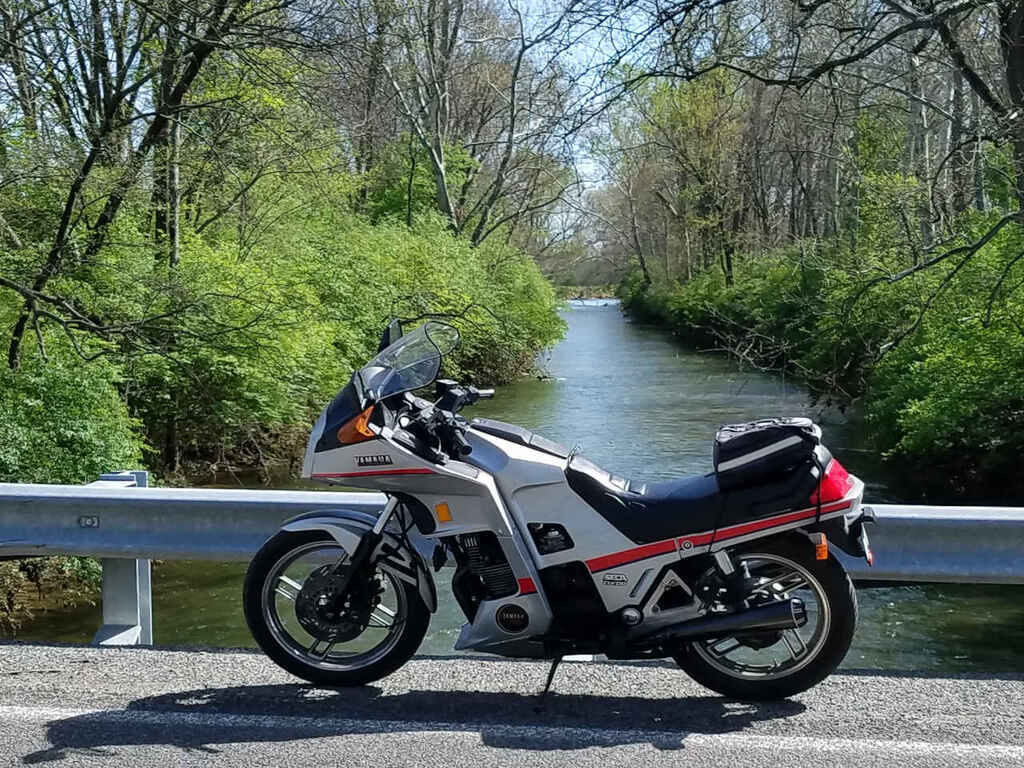
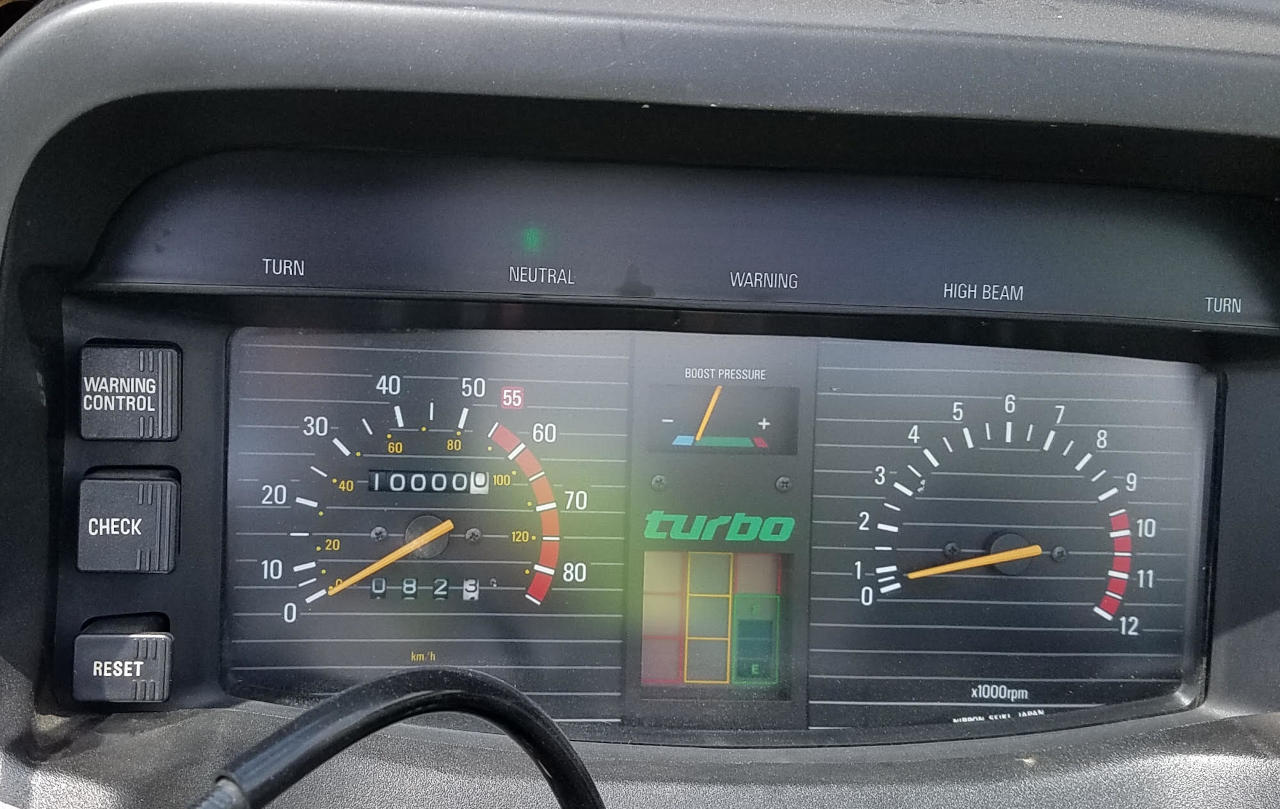
I’ve been spending a lot of time with my 1982 Yamaha Seca Turbo XJ650LJ lately, and if any bike should be “too much trouble,” it’s this one. It’s a relic of the 80s turbo wars, featuring a pressurized fuel system, a complex surge tank, and a tiny Mitsubishi turbo spinning at 200,000 RPM.
The “Complexity” Fallacy
The argument usually goes like this: “Old bikes break, parts are gone, and carburetors are black magic.”
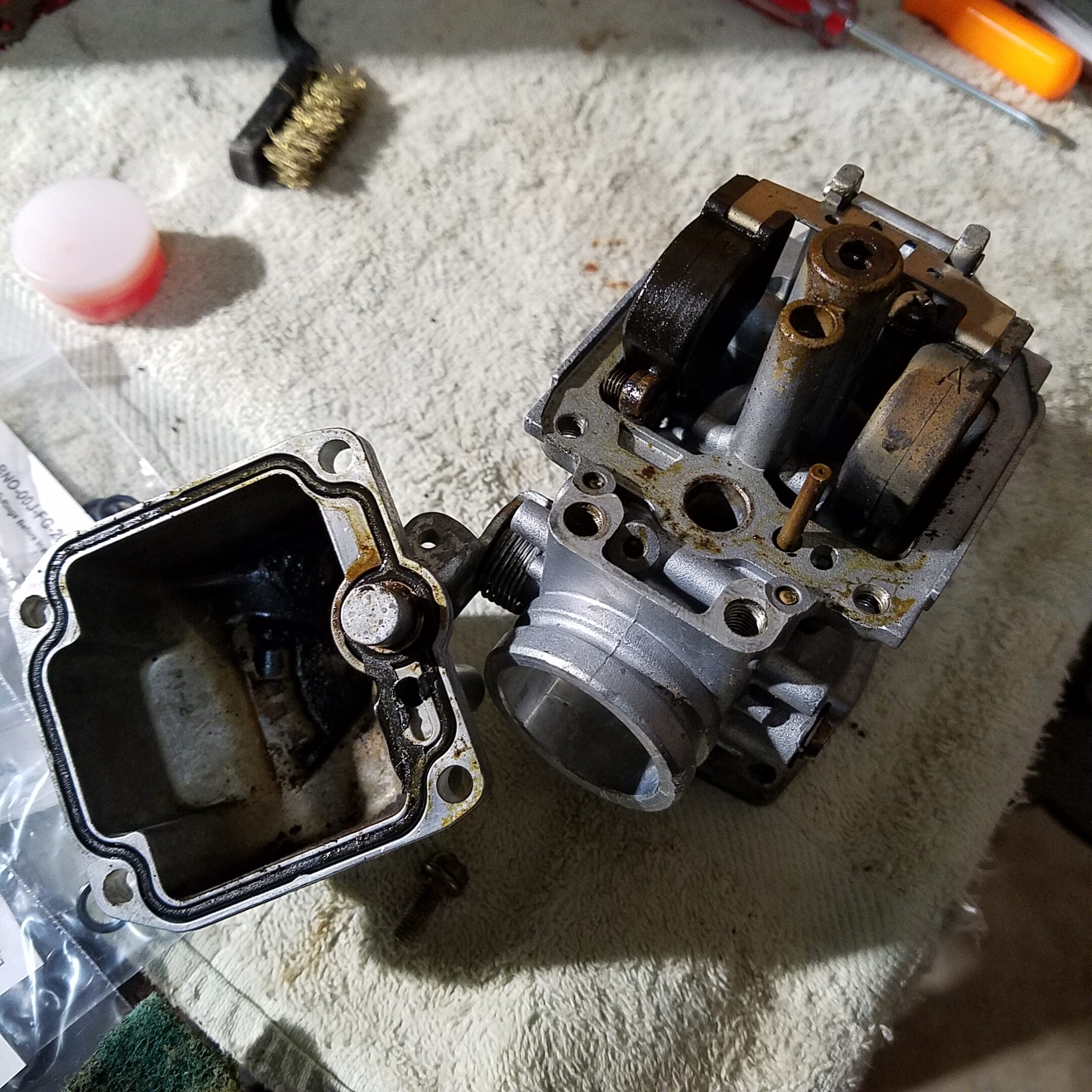
Here is the truth: With vintage motorbikes like the Seca Turbo is knowable. When you sit down with a set of Mikuni BS30s, you aren’t fighting a proprietary ECU or a “locked” software map. You are dealing with atmospheric pressure, fuel density, and mechanical synchronization. Yes, it takes patience to get the fueling just right so it transitions smoothly from vacuum into boost, but once it’s dialed in, it stays dialed.
Why We Ride the “Trouble”
Modern bikes are undeniably efficient, but they often feel like appliances. Riding the Seca Turbo is an event.
The Power Delivery: There is nothing like the “rubber band” effect of an early turbo. You twist the throttle, wait for the spool, and then the world starts moving much faster than it did a second ago.
The Maintenance Connection: When you maintain a 40-year-old machine, you develop a mechanical sympathy. You know exactly what every shim, seal, and cable is doing. You aren’t a “user”; you’re the lead engineer of your own personal transport.
Sustainability: Using 3D printing to manufacture obsolete parts—like intake boots or trim pieces—has completely changed the game. The “no parts available” excuse is dying. If you can dream it (and CAD it), you can keep these bikes on the road indefinitely.
The Verdict
Is a vintage bike “trouble”? Only if you view learning and craftsmanship as a chore. To me, the “trouble” is exactly what makes the ride worth it. A newer bike might get you to the destination with less grease under your fingernails, but it won’t give you the soul-satisfying whistle of a turbocharger waking up on a backroad.
So, to the YouTubers saying vintage is dead: You’re not avoiding trouble; you’re missing out on the best part of motorcycling.
The Vintage Defiance: Why Older Bikes Are Worth the “Trouble”
There’s a narrative circulating in the moto-vlogosphere lately that vintage motorbikes are a trap—a bottomless pit of frustration that robs you of riding time. The advice to new riders is becoming a broken record: Buy something modern, fuel-injected, and under warranty, or you’ll spend all your time in the garage.
As I sit here watching the rain wash over the driveway, looking at my 1982 Yamaha Seca Turbo, I couldn’t disagree more. To say a vintage bike is “too much trouble” is to misunderstand why we ride in the first place.
The Soul of the Machine
Modern bikes are marvels of engineering, but they are often sanitized. They are designed to be invisible—to work so perfectly that you forget the internal combustion happening beneath you.
A vintage bike refuses to be ignored. Whether it’s the specific sequence of the “cold start” ritual or the way the chassis reacts to a mid-corner bump, these bikes have personality. When I’m on the Seca, I’m not just a passenger on a computer-controlled rocket; I am part of a mechanical conversation.
Ownership vs. Operation
There is a massive difference between operating a motorcycle and owning one.
Operating is what you do with a new bike. You turn the key, you ride, you drop it off at a dealership for its 5,000-mile service.
Owning is what happens in the garage on a Tuesday night. It’s the satisfaction of syncing carburetors by ear, the hunt for that one specific New Old Stock (NOS) gasket, and the pride of knowing every bolt on the frame.
The Skill Gap
The “trouble” people complain about is actually a masterclass in mechanical literacy. If your modern bike won’t start, you call a tow truck and a technician plugs in a laptop. If my Seca acts up, I pull the plugs, check for spark, and investigate the fuel flow.
By dismissing vintage bikes, we are raising a generation of riders who are helpless in the face of a fouled plug. There is a profound sense of freedom that comes from knowing that if it breaks, you can fix it.
Built to Last (With a Little Help)
The irony of the “reliability” argument is that many of these 40-year-old bikes are still here precisely because they were built to be serviced, not replaced. With the rise of 3D printing and global enthusiast forums, we have more resources to keep these legends on the road than we did in the 90s.
The Bottom Line
If you want an appliance, buy a microwave. If you want a soul-stirring experience that challenges you, rewards your curiosity, and turns every gas station stop into a thirty-minute conversation with strangers buy a vintage bike.
The “trouble” isn’t a bug; it’s the main feature.
At the End of the Day…
Ultimately, the “trouble” people fear is usually just a lack of familiarity.
I’ll admit, even I had my doubts at one point. When it came time to rebuild the rack on my 1979 Honda CBX, I was genuinely worried about the complexity of six carburetors staring back at me. But in reality? The CBX was straightforward. The real masterclass was getting the four carbs on the Seca Turbo to play nice. Balancing a pressurized system where every seal and vacuum line is a potential boost leak is the kind of challenge a modern “plug-and-play” bike could never offer.
So, let the critics keep their warranties and their plastic bodywork. I’ll stay here in the garage, getting my hands dirty and keeping these machines alive. Because at the end of the day, a bike that demands something from you is always going to give more back in return.
Ride safe, and don’t be afraid of the “trouble”.